How Early Education Shapes Your Child’s Future
From thinking skills to confidence and a love of learning, seven ways quality early education shapes a child’s future success.

Early education plays a pivotal role in shaping a child’s future. The experiences and learning opportunities of the early years have a profound impact on overall development and later achievement. Here are seven ways early education influences growth and success.
1. Cognitive development
Varied learning experiences stimulate thinking. Good preschool programmes include activities that build critical thinking, problem-solving and language skills, which are the foundations of academic success.
2. Social and emotional growth
In a structured environment children learn to cooperate, share and communicate with peers and teachers. They also learn to manage emotions, build self-confidence and develop empathy.
3. A strong academic foundation
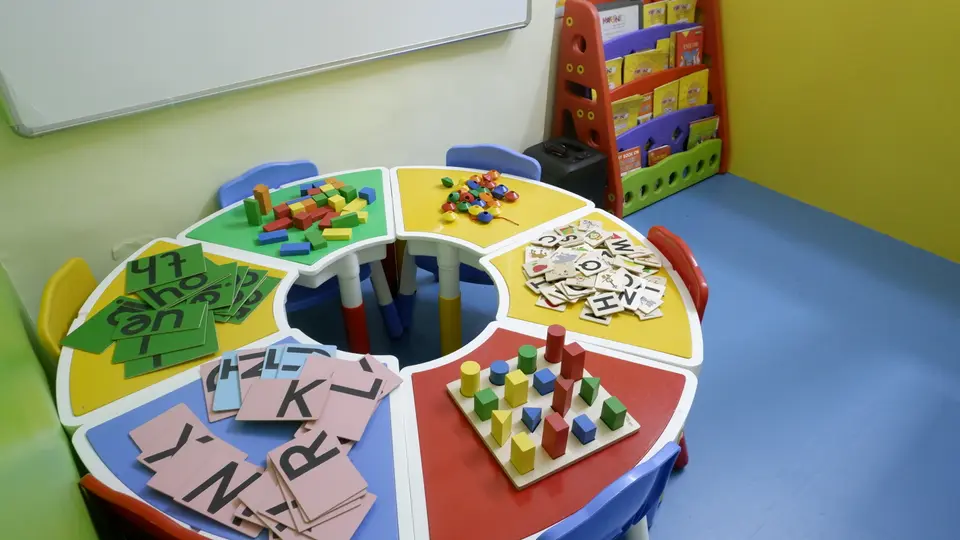
Play-based learning introduces early literacy and numeracy in a fun way, helping children move smoothly into formal school.
4. Creativity and curiosity
Imaginative play, art, music and exploration develop creativity and problem-solving, and nurture a love of learning that lasts.
5. Life skills
Early education builds time management, organisation, independence and responsibility, giving children discipline and self-reliance.
6. Physical development
Physical play develops gross and fine motor skills and lays the foundation for a healthy lifestyle.
7. A positive attitude to learning
When children associate learning with fun and excitement, they carry that positive attitude into school and beyond.
Conclusion
The early years are a critical period for cognitive, social, emotional and physical development. By choosing quality early education, parents give their child the strongest possible start.
See how each of our age-wise programmes builds these skills step by step.