Screen Time for Under-5s: What the WHO Recommends and What to Do Instead
How much screen time is okay for toddlers and preschoolers? Read the WHO guidance for under-5s and simple, screen-free play ideas for busy Thane families.
A phone to get through dinner, a cartoon while you finish a work call, a video in the car. Screens are part of family life, and most parents in Thane we speak to feel a little guilty about how often they reach for one. The good news is that you do not need to be perfect. A few clear limits and some easy alternatives make a real difference.
What the WHO recommends for children under 5
In 2019 the World Health Organization published guidelines on physical activity, sedentary behaviour and sleep for children under five. On screen time, the advice is simple:
- Under 1 year: screen time is not recommended.
- 1 year: sedentary screen time, such as watching TV or videos, is not recommended.
- 2 to 4 years: no more than one hour a day of sedentary screen time, and less is better.
The same guidelines encourage plenty of active play through the day, good-quality sleep, and reading or storytelling with a caregiver when a child is sitting still. In other words, the aim is not only fewer screens but more of the things young children need most.
For a child of five or older, or for any concern about your own child's sight, sleep, speech or behaviour, please talk to your paediatrician. They know your child and can give advice that fits.
Why limits matter at this age
Children aged one to five learn mainly through their bodies and through people. They learn words by hearing them in conversation, balance by climbing, and patience by waiting for a turn. Time on a screen is usually time not spent doing these things.
Many parents also notice that long screen sessions, especially close to bedtime, make it harder for children to settle and sleep. And when the screen goes off, a short burst of tears or temper is very common. That does not mean you have done something wrong; it simply shows how absorbing screens are for small children.
Practical ways to cut back
You do not need to remove screens overnight. Small, steady changes work better.
Set simple family rules
- No screens during meals, so mealtimes become talking time.
- No screens in the hour before bed.
- Keep devices out of the bedroom.
- Decide in advance when and how long, rather than giving a phone whenever a child asks.
Watch together when you can
If your child does watch something, sit with them for part of it. Choose slow, calm programmes over fast, noisy ones. Talk about what you see: "Where do you think the puppy is going?" This turns screen time into conversation.
Plan for the hard moments
Most screen time happens when parents are busy or tired. Keep a small "busy box" ready for those times, with a few things your child does not see every day:
- Crayons and a stack of old paper
- Play dough or a ball of atta dough
- A few board books
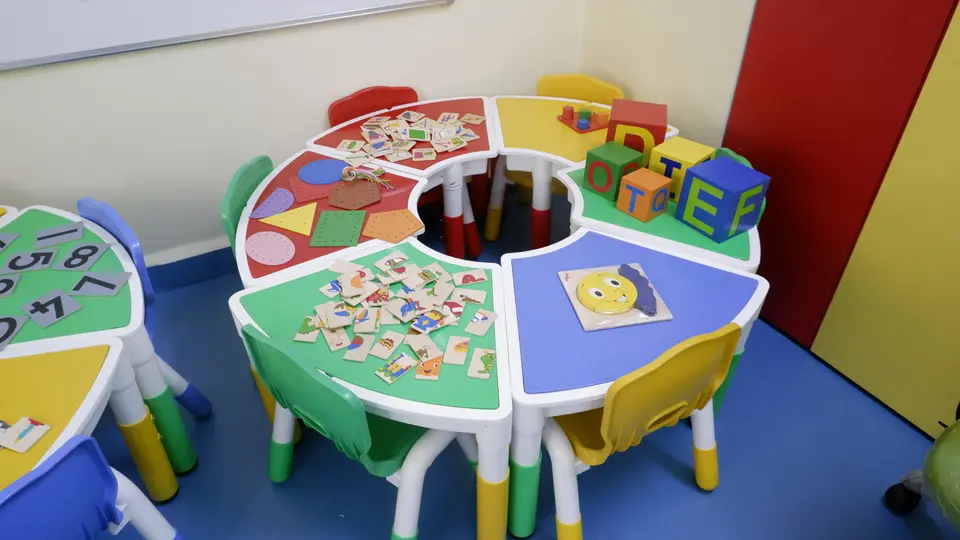
- Stacking cups, blocks or a simple puzzle
- Clothes pegs and a plastic bowl
Rotate the box every week or two so it always feels new.
Be a screen-light role model
Children copy what they see. Putting your own phone away during play, meals and bedtime stories tells your child that people come first.
What to do instead: screen-free ideas by age
For toddlers (1 to 2 years)
- Sing nursery rhymes and action songs together
- Fill and empty containers with blocks or pegs
- Look at picture books and name what you see
- Crawl, climb and roll on cushions on the floor
For 2 to 3 year olds
- Simple pretend play: cooking, shopping, doctor
- Water play with cups and sponges in a bucket
- Building towers and knocking them down
- A walk in your building compound to spot birds, cars and flowers
For 3 to 5 year olds
- Drawing, colouring and cutting with child-safe scissors
- Helping with simple chores like folding napkins or sorting socks
- Board games, matching games and puzzles
- Making up stories together, or acting one out with soft toys
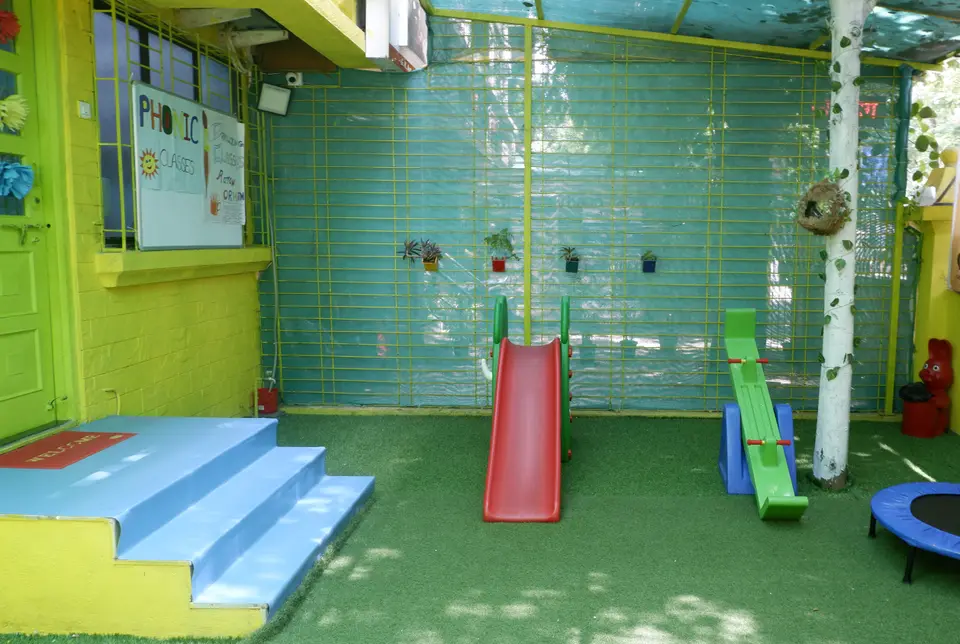
- Running, jumping and ball games outdoors
How preschool helps
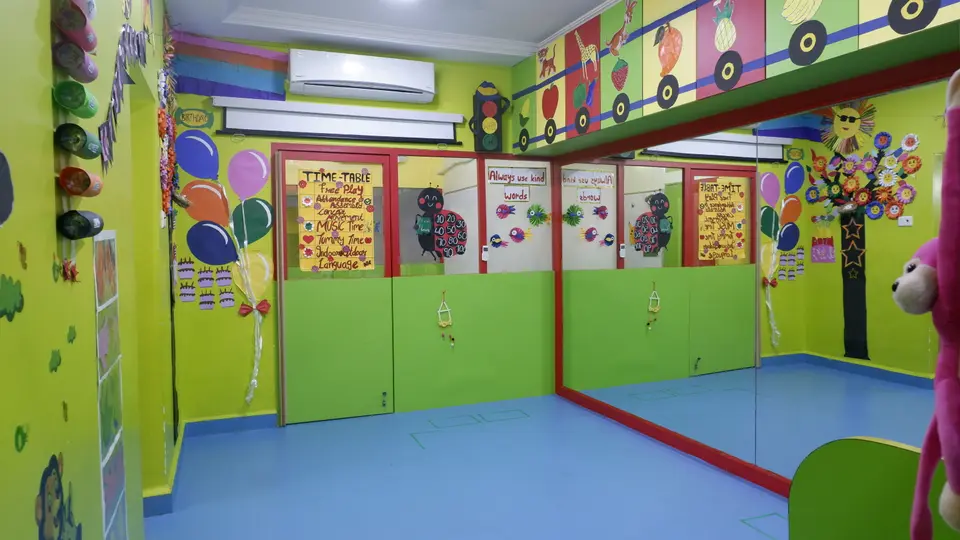
A good preschool day is naturally full of the things young children need: songs, stories, free play, outdoor time and friends. At Cubs Gurukul, our classrooms do have interactive smartboards, and we use them for short, purposeful moments alongside plenty of hands-on, real-world play.
Our Toddlers Programme for children aged 1 to 1.8 years offers a gentle, play-first start, with sensory play, early language and small groups. Our Playgroup Programme for 1.8 to 2.5 year olds builds language, independence and social confidence through hands-on activities.
We have two branches in Thane West, at Vasant Vihar and Samta Nagar, open Monday to Saturday from 8 am to 8 pm. Find your nearest branch, book a school visit, or WhatsApp us on 90044 72021 to see a screen-light, play-rich day for yourself.